





To Be or Not to Be House-Rich or House-Poor

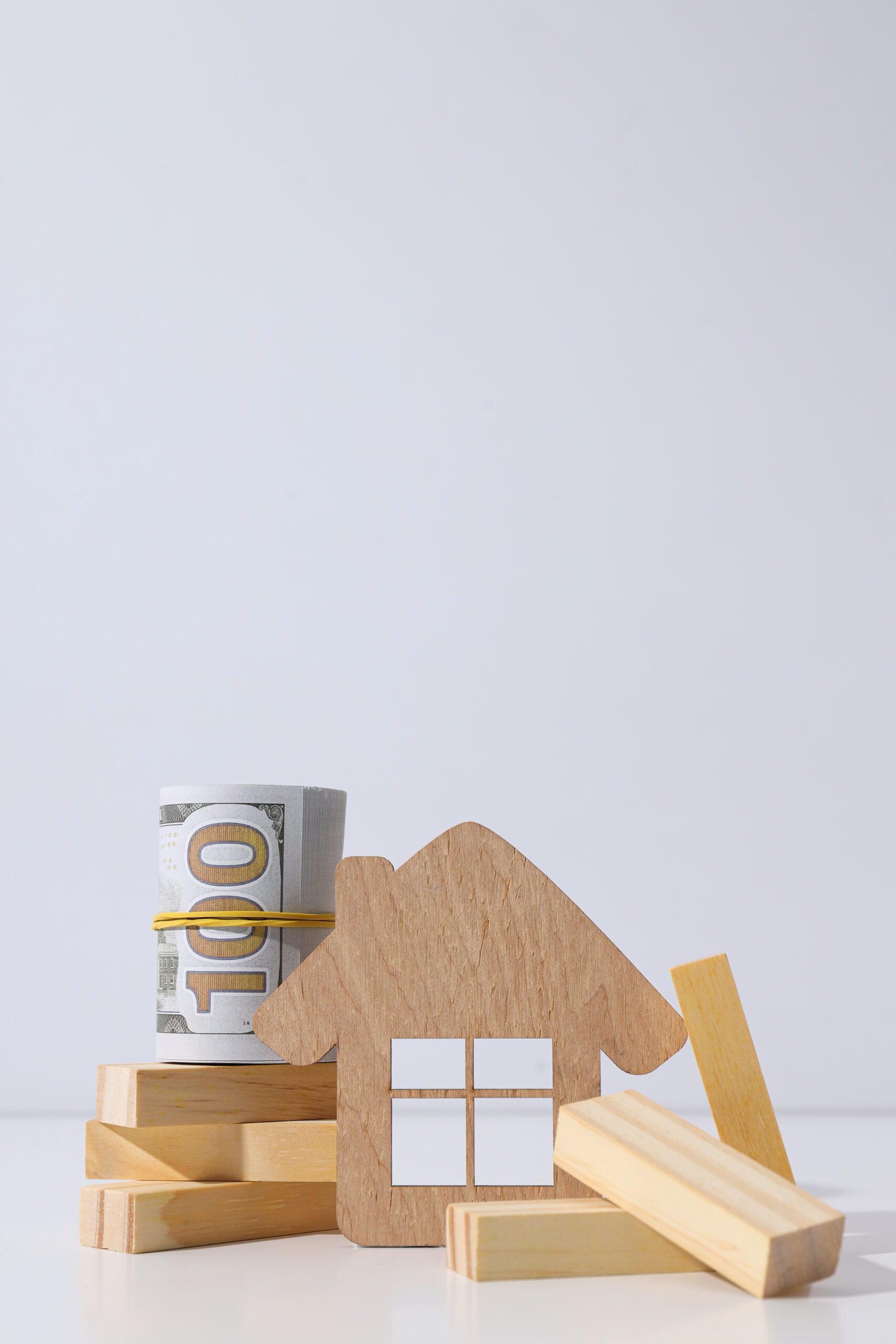
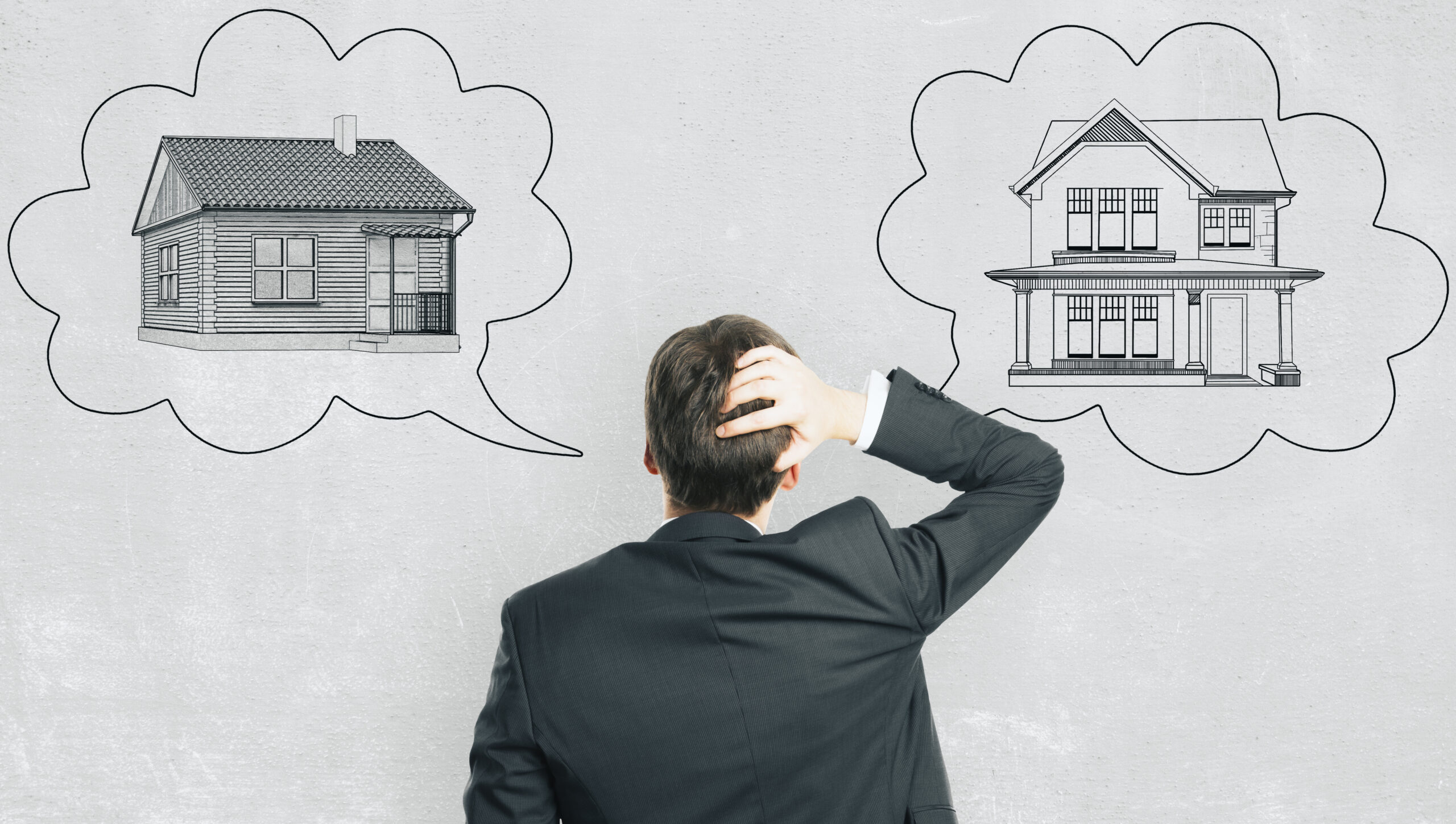
We all dream of having that picture-perfect home, the kind that makes you feel accomplished every time you pull into the driveway. But there’s a fine line between being house-rich and house-poor, and understanding the difference can completely change how you experience your “dream home.” What Does It Mean to Be House-Rich? Being house-rich means you own a home that has significant value, maybe you’ve built a lot of equity, or your property has appreciated beautifully over time. 

On paper, you look financially strong because your largest asset, your home, holds substantial worth. The upside?

•You’ve invested in something that’s likely growing in value.

• You may have access to home equity that can be used for renovations, investments, or even debt consolidation.

• You’re building generational wealth and long-term stability. However, being house-rich only feels great if you can comfortably afford your lifestyle. Which brings us to the other side of the coin

What Does It Mean to Be House-Poor? Being house-poor means your home costs are eating up most of your income, leaving little room for anything else. You may have your dream kitchen and perfect backyard, but if you’re stressed every month about bills, you’re living on a financial tightrope. Common signs include:

• A large portion of your paycheck goes to your mortgage, taxes, and utilities.

• You have little to no savings cushion.

• You’re skipping vacations or delaying other goals just to “make the house work.” The truth is, your home should be a blessing, not a burden. 

Finding the Balance: Financial Comfort Meets Dream Living. The goal is to strike a healthy balance. You want to be house-comfortable owning a home you love that fits your lifestyle and your financial reality. Here’s how you can stay balanced:

1. Set a budget that feels right for you. Your mortgage shouldn’t be more than about 28–30% of your income.

2. Leave space for life. Savings, self-care, travel, and leisure matter too.

3. Think long-term. Equity builds wealth — but so does peace of mind.

4. Plan smart upgrades. Simple, cost-effective home improvements can raise value without breaking your budget

Tennis Jewelry

The Takeaway Being “house-rich” sounds impressive, but being “house-balanced” feels freeing. It’s not about the size of the home or the zip code; it’s about creating a lifestyle that allows you to enjoy the space you’ve worked so hard for. So, before you sign that dotted line or upsize to something new, ask yourself:  “Is this home helping me live comfortably, or is it controlling my comfort?” Because at the end of the day, homeownership should empower you, not pressure you.


Share
Pin
Tweet
Related
Comments

What do you think?